Voters will head to the polls next week for this year’s midterm elections, where they will weigh nine ballot questions and make their picks for governor, U.S. senator, state representative and several other state and federal seats.
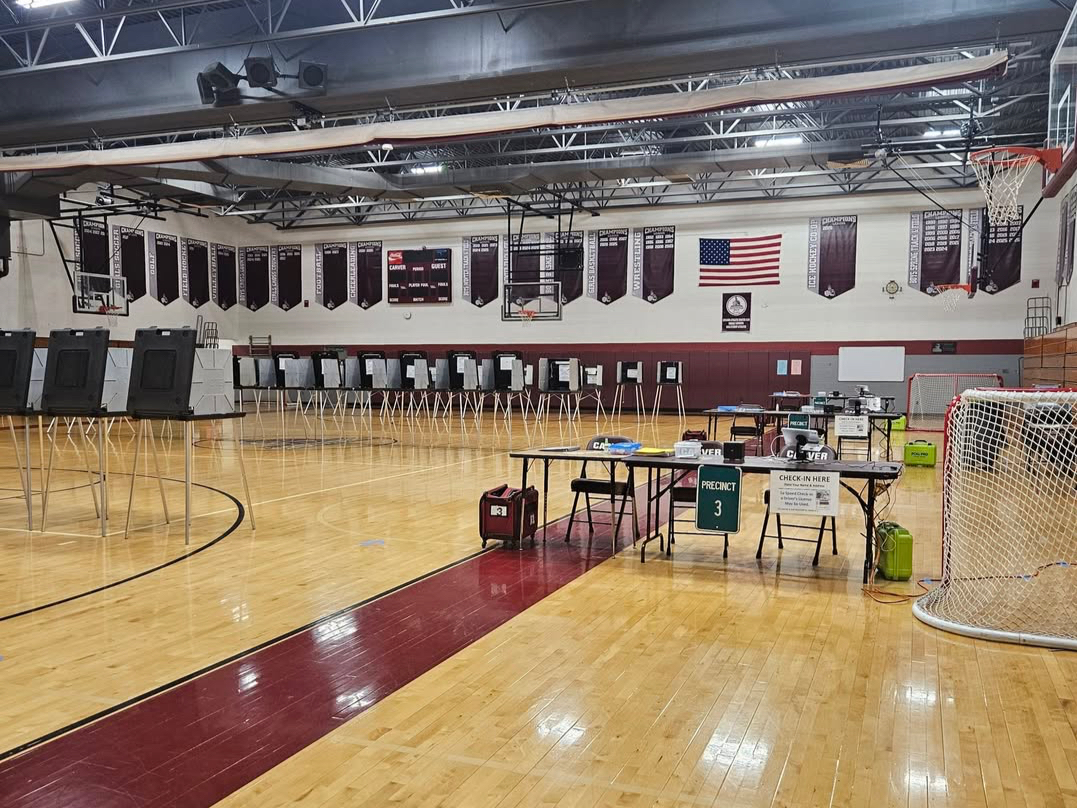
On Tuesday, Nov. 3, voters can cast their ballots at Carver Middle High School from 7 a.m. to 8 p.m.
According to Town Clerk Cara Dahill, vote by mail applications must reach the Town Clerk’s office by Tuesday, Oct. 27 at 5 p.m. Carver residents have until Monday, Nov. 2 at noon to absentee vote in-person at the clerk’s office in the Town Hall. The state’s voter registration deadline has already passed.
There are multiple contested elections on this year’s ballot.
Incumbent state Rep. John Gaskey (R-Carver) is in a rematch with Democratic Carver Select Board member Sarah Hewins for the 2nd Plymouth district State House seat. Voters have seen this matchup before. In 2024, Gaskey soundly defeated Hewins, who launched a write-in campaign after Democrats did not nominate a candidate in their primary.
National momentum for Democrats, a workplace sexual harassment lawsuit filed against Gaskey, which he denied, and the district’s historical competitiveness could make Gaskey’s seat vulnerable. The 2nd Plymouth district voted for President Donald Trump in 2016, former President Joe Biden in 2020 and then flipped back to Trump in 2024. The seat was previously held for two decades by popular state Rep. Susan Gifford (R-Wareham), who died of cancer in October 2024. Gaskey ousted her in the September 2024 Republican primary.
Alongside the potentially competitive state representative seat are contested elections for statewide offices including governor, attorney general and secretary of state.
Democratic Gov. Maura Healey is facing Republican businessman and Army veteran Mike Minogue and independent criminal justice advocate Andrea James.
Incumbent U.S. Sen. Ed Markey is facing off against Republican attorney John Deaton, independent perennial candidate Shiva Ayyadurai and Socialism and Liberation candidate Joe Tache.
Polls show Healey and other statewide Democrats with double-digit leads over their Republican opponents.
Incumbent U.S. Rep. Bill Keating (D-Bourne) is facing off against Republican former Mattapoisett Select Board member Tyler MacAllister for Massachusetts’s 9th congressional district seat in U.S. Congress. The district includes most of South Coast Massachusetts, Cape Cod and the South Shore — including Carver.
Incumbent state Sen. Kelly Dooner (R-Taunton) and Republican Plymouth County District Attorney Tim Cruz are running unopposed for their respective elections.
Voters will also consider nine ballot questions this year.
Question 1 would make most records from the State Legislature and Governor’s office public record. According to a Tufts University voter guide, Massachusetts is one of only two U.S. states that exempt the Legislature and the Governor’s office from its public records law.
Question 2 would give public defenders in the Committee for Public Counsel Services the ability to form a union.
Question 3 replaces party primaries for state elections with a “jungle primary” system. This election style puts all candidates who get enough signatures on the same ballot. The two candidates with the most votes then advance to the general election, regardless of their political party.
On Question 4, voters will decide whether to allow same-day voter registration on Election Day. Right now, Massachusetts voters must be registered to vote 10 days before an election to participate.
Question 5 limits state revenue based on the amount of money it collected in taxes in the previous year, including revenue from the state’s millionaire’s income surtax, which is not currently counted, WBUR reported. The measure updates a state law that requires excess money collected by the state to be returned to taxpayers.
Question 6 would create a new earmark for recreation and conservation from the state’s sales tax receipts from golf courses, recreational vehicles and sporting goods, according to a Tufts University voter guide. According to a Carver sample ballot, a “Yes” vote would create a fund that could be used for “natural resource conservation.” However, the measure does not actually require the legislature to use the funds for conservation, Tufts reported.
Question 7 would relax zoning restrictions by preventing cities and towns with public water and sewer systems from requiring lots to be larger than 5,000 square feet and 50 feet of frontage to build a single-family home. If passed, Carver would not likely be impacted as it does not have a public sewer system and only has public water in North Carver.
Question 8 would roll back the legalization of marijuana in the state, making recreational sales illegal and halting the state’s marijuana industry. The question would repeal the result of a 2016 referendum where voters opted to legalize recreational use. Medical marijuana would remain legal. A “Yes” vote would make recreational sale of the substance illegal while a “No” vote keeps the current law the same.
Question 9 could repeal the state’s strict “Chapter 135” gun law, rolling back some licensing, training and data collection requirements placed on gun ownership in Massachusetts. A “No” vote would roll back the state’s current gun law. A “Yes” vote keeps it the same.
See the Town Clerk’s sample ballot, which includes all the candidates and ballot question wording on Carver’s ballot here.
Contact Editor-in-Chief Nick Mossman at nick@carverjournal.com
Got questions about this year’s election that you want us to write about? Ask the Carver Journal at stories@carverjournal.com.